India Strongly Rebukes Pakistan at the United Nations
India has sharply criticized Pakistan at the United Nations, describing it as an “organised factory of hate” after Islamabad allegedly attempted to justify or rebrand terrorist groups under the label “Fitna al-Hindustan.” The Indian delegation accused Pakistan of continuing to support narratives that encourage extremism and cross-border terrorism while seeking to deflect attention from its own record on terror-related issues.
Moreover, India asserted that the international community remains fully aware of the dangers posed by terrorism and the need for consistent action against all forms of extremist violence.
UN Platform Witnesses Diplomatic Exchange
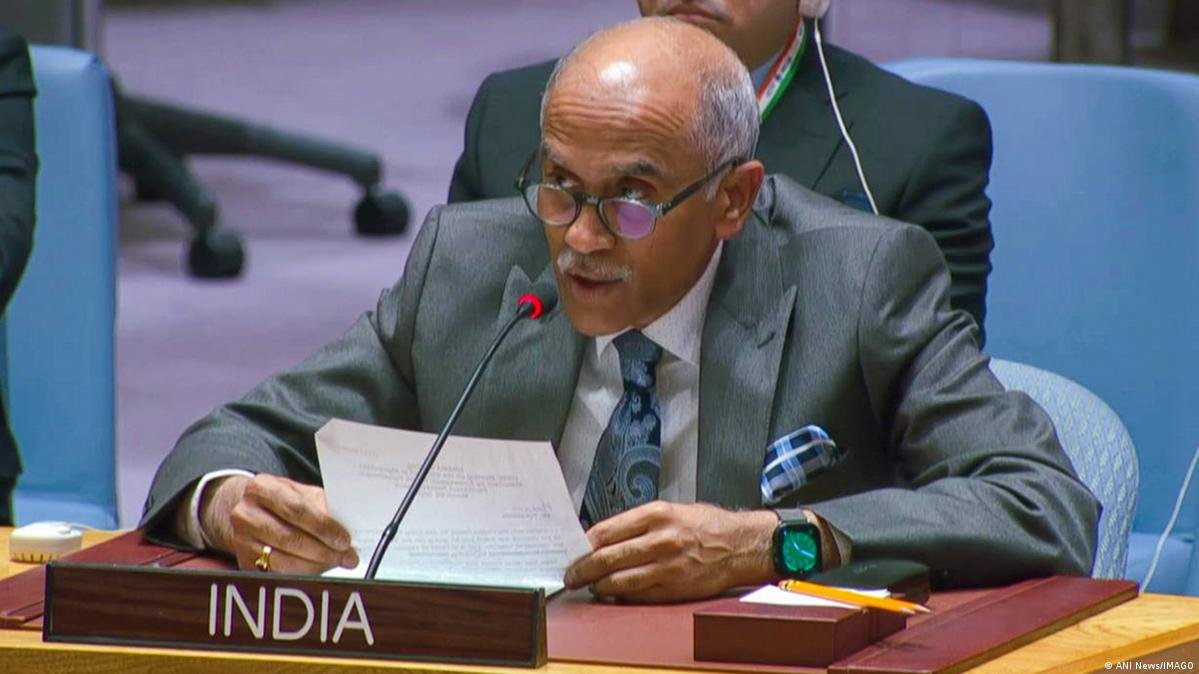
The remarks were made during discussions at the United Nations, where India responded strongly to statements made by the Pakistani side regarding security and regional issues.
Furthermore, Indian representatives emphasized that attempts to create new terminology or labels for terrorist entities cannot change the reality of their activities or their threat to regional and global security.
As a result, the exchange once again highlighted the deep diplomatic differences between the two neighboring countries on terrorism-related matters.
India Rejects Attempts to Rebrand Terrorism
According to India’s position, any effort to categorize or rename terrorist organizations under alternative narratives undermines global counter-terrorism efforts.
Additionally, Indian diplomats argued that terrorism should be condemned unequivocally, regardless of political motivations, geographical considerations, or ideological affiliations.
Therefore, India called for a zero-tolerance approach toward groups involved in extremist activities and violence.
‘Factory of Hate’ Remark Draws Attention
During the intervention, India’s representative reportedly referred to Pakistan as an “organised factory of hate,” accusing it of spreading narratives that foster radicalization and hostility.
Moreover, India maintained that the international community has repeatedly expressed concern over the use of terrorism as a tool of state policy and the need to dismantle support networks that enable extremist organizations.
Consequently, the remarks attracted considerable attention during the UN proceedings.
Counter-Terrorism Remains a Key Priority
India has consistently emphasized the importance of international cooperation in combating terrorism. Successive governments have called for stronger global mechanisms to address terror financing, recruitment, radicalization, and cross-border terrorist activities.
Furthermore, New Delhi has advocated comprehensive action against individuals, organizations, and networks involved in promoting or supporting terrorism.
As a result, counter-terrorism remains one of India’s central priorities in multilateral forums.
International Community Urged to Remain Vigilant
Indian officials stressed that changing the terminology used to describe extremist organizations does not alter their actions or objectives.
Additionally, they urged member states to remain vigilant against attempts to legitimize or sanitize groups engaged in violence and terrorism.
Therefore, India reiterated the need for collective international action to safeguard peace and security.
India-Pakistan Differences Continue at Global Forums
The latest exchange reflects the continuing disagreements between India and Pakistan on issues related to terrorism, regional security, and cross-border violence.
Moreover, both countries have frequently used international platforms to present their respective positions on security concerns and regional developments.
Consequently, discussions involving terrorism-related issues often remain among the most contentious aspects of India-Pakistan diplomatic engagement.
Global Focus on Terrorism and Security
The United Nations continues to play a significant role in coordinating international efforts against terrorism. Member states regularly discuss measures aimed at preventing extremist violence, disrupting terror financing, and strengthening global security cooperation.
Furthermore, international bodies have repeatedly emphasized the need for consistent and coordinated action against all forms of terrorism.
As a result, debates on counter-terrorism remain a central element of global diplomatic discussions.
Conclusion
India’s strong response at the United Nations underscores its continued emphasis on combating terrorism and opposing any attempt to rebrand or justify extremist organizations. By describing Pakistan as an “organised factory of hate,” India sought to highlight concerns regarding narratives that it believes undermine international counter-terrorism efforts.
Moreover, the exchange reflects broader regional tensions and the ongoing importance of global cooperation in addressing terrorism. As discussions continue at international forums, counter-terrorism is expected to remain a key issue shaping diplomatic engagements between the two countries.