
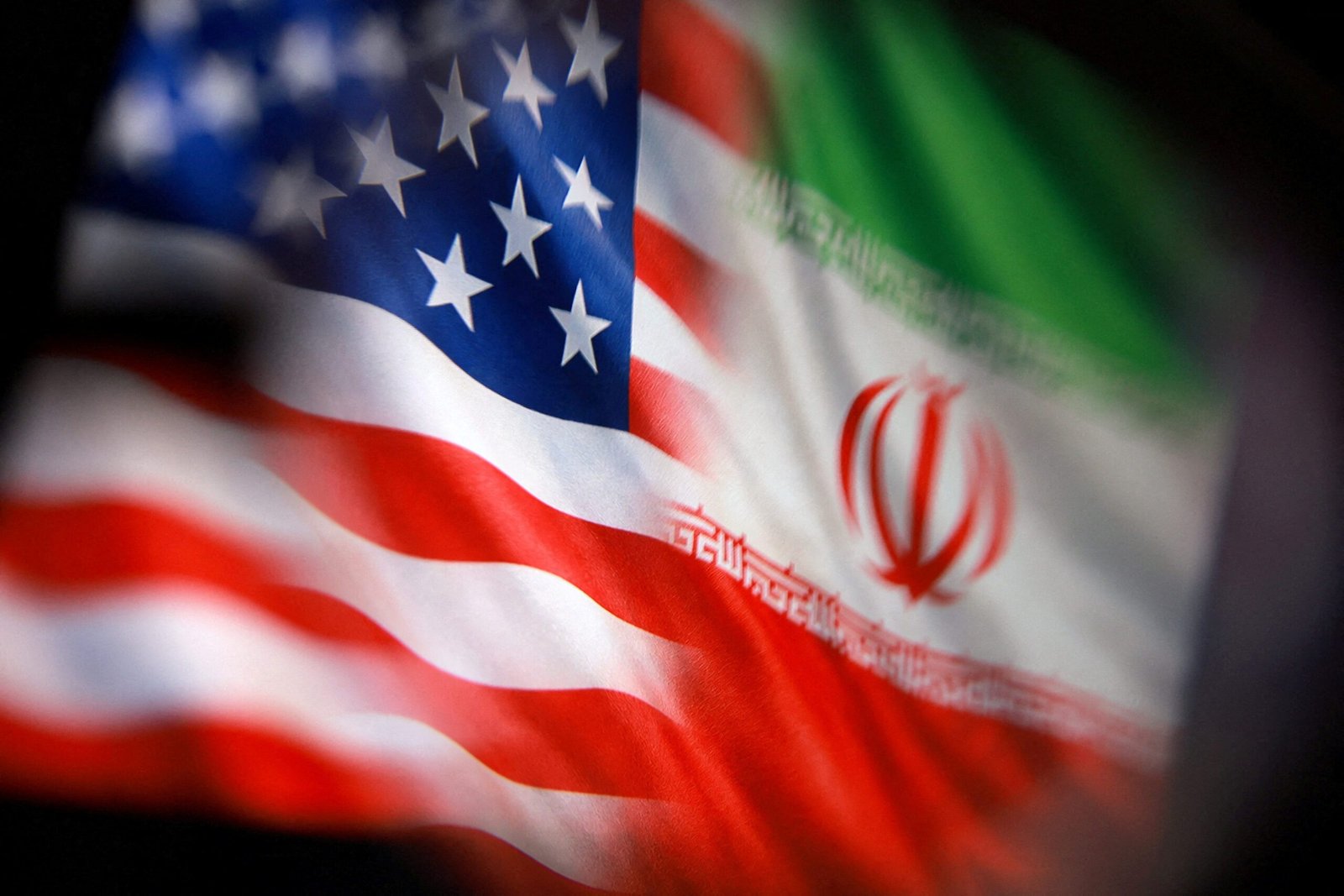
Fragile Peace Efforts Face New Crisis in Middle East
Hopes for a lasting ceasefire between the United States and Iran have suffered a major setback after fresh American military strikes on Iranian targets triggered a new wave of regional tensions. The latest escalation comes amid ongoing diplomatic efforts aimed at securing a broader peace agreement and reducing instability in the Gulf region.
According to reports, US forces carried out strikes against Iranian military facilities after Iran allegedly shot down an American MQ-1 Reaper drone operating near the Strait of Hormuz. The incident has intensified fears that the fragile ceasefire framework could collapse entirely if both sides continue military retaliation.
US Targets Iranian Military and Drone Infrastructure
American military officials stated that the strikes focused on Iranian radar systems, drone control stations, and military infrastructure located near Qeshm Island and southern Iranian coastal regions. US Central Command reportedly described the operation as a defensive response to what it called Iranian aggression in the Gulf.
Reports indicate that US forces also intercepted and destroyed several Iranian drones that were viewed as threats to regional shipping lanes and military assets.
Washington has maintained that the strikes were limited in scope and intended to protect American personnel and strategic interests in the region.
Iran Responds with Missile and Drone Activity
Iran strongly condemned the American strikes and accused Washington of violating ongoing ceasefire understandings. Iranian military officials claimed that Tehran retains the right to respond to any attacks on its territory and security infrastructure.
Shortly after the US operation, missiles and drones were reportedly launched toward targets associated with American military presence in Kuwait. Kuwaiti authorities confirmed that their air defense systems intercepted incoming aerial threats before major damage could occur.
Iranian officials reportedly described the attacks as a response to actions carried out by the United States in southern Iran and the Strait of Hormuz region.
Kuwait Condemns Escalation
Kuwait strongly condemned the missile and drone activity directed toward its territory and described the incident as a serious threat to regional stability and national security. Regional Gulf nations also expressed concern about the growing risk of a wider conflict.
Security officials in Kuwait activated defensive measures as air defense units intercepted the incoming projectiles. Reports suggest that the rapid response prevented major casualties and infrastructure damage.
The incident has once again highlighted the vulnerability of Gulf states situated near ongoing regional military tensions.
Strait of Hormuz Remains Flashpoint
The Strait of Hormuz continues to remain one of the most sensitive areas in the conflict. The strategic waterway handles a significant portion of global oil shipments, making any military confrontation in the region a major concern for international markets.
Recent clashes involving drones, naval operations, and surveillance activity have increased pressure on both Washington and Tehran to prevent further escalation. Analysts warn that any disruption in the Strait could have serious consequences for global energy supplies and shipping routes.
Diplomatic Negotiations Continue Despite Violence
Despite the latest military exchanges, diplomatic contacts between the United States and Iran have not completely stopped. Reports indicate that discussions regarding a broader agreement involving nuclear issues, sanctions relief, maritime security, and regional stability are still underway.
However, repeated military incidents are making negotiations increasingly difficult. Both sides continue to accuse each other of violating ceasefire understandings and undermining diplomatic progress.
International mediators are reportedly working to prevent a complete breakdown of talks.
Global Concerns Over Wider Conflict
The latest confrontation has triggered concerns among global leaders, energy markets, and international organizations. Rising instability in the Gulf region could impact oil prices, trade routes, and broader geopolitical stability.
Several countries have called for restraint and urged both Washington and Tehran to prioritize diplomatic solutions over military action. A United Nations Security Council meeting is expected to discuss the growing crisis and possible measures to prevent further escalation.
Conclusion
The recent US strikes on Iranian military targets and the interception of drones and missiles over Kuwait have placed the already fragile US-Iran ceasefire under severe strain. While diplomatic efforts continue, the latest exchange of military actions highlights how quickly tensions can escalate in the Gulf region.
As negotiations continue alongside military posturing, the coming days may prove critical in determining whether diplomacy can restore stability or whether the region moves closer to a broader confrontation.