Indian Crew Members Brought to Safety After Maritime Incident
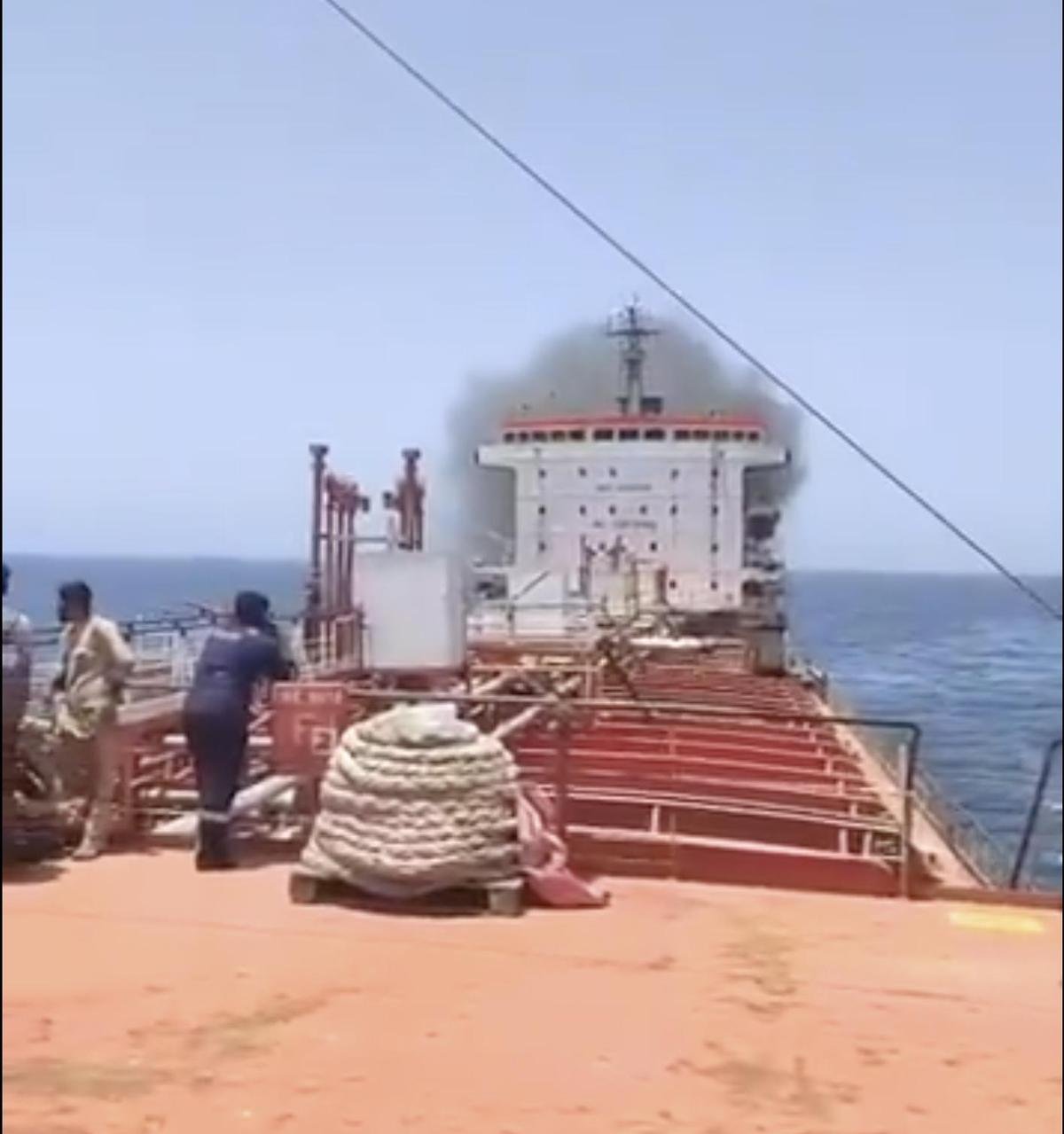
Twenty-four Indian sailors have been successfully rescued after a merchant vessel carrying an Indian crew was reportedly struck by a U.S. missile during heightened military activity in the Gulf region. The rescue operation ensured the safe evacuation of all Indian nationals onboard, providing relief to their families and maritime authorities.
Moreover, the incident has drawn international attention amid ongoing tensions and military operations in the strategically important region.
Missile Strike Damages Commercial Vessel
According to reports, the vessel sustained significant damage after being hit during military action in the area. Emergency distress signals were reportedly sent shortly after the incident, prompting rescue agencies and maritime authorities to launch immediate response operations.
Furthermore, the attack highlighted the risks faced by commercial shipping vessels operating in conflict-prone maritime corridors.
As a result, concerns have been raised regarding the safety of civilian maritime traffic in the region.
Swift Rescue Operation Saves Crew
Rescue teams responded quickly following the distress alert and coordinated efforts to evacuate the crew members from the damaged vessel. All 24 Indian sailors were reportedly brought to safety without any major casualties.
Additionally, authorities ensured that the rescued crew received necessary medical examinations and assistance following the evacuation.
Therefore, the successful operation prevented a potentially larger humanitarian crisis at sea.
Indian Authorities Monitoring the Situation
The Indian government and relevant maritime agencies are closely monitoring developments related to the incident. Officials have remained in contact with the rescued sailors and are coordinating with international authorities to assess the circumstances surrounding the strike.
Moreover, diplomatic channels are expected to remain engaged as further details emerge regarding the event.
Consequently, the welfare and safe return of the affected crew members remain a priority.
Shipping Safety Under Spotlight
The incident has once again highlighted the vulnerability of commercial vessels operating in regions affected by geopolitical tensions. Shipping routes in the Gulf and surrounding waters are among the world’s most important trade corridors, carrying significant volumes of energy supplies and commercial cargo.
Furthermore, disruptions in these routes can have broader implications for global trade and maritime security.
As a result, industry stakeholders continue to call for enhanced protections for civilian shipping.
Rising Regional Tensions Affect Maritime Operations
Military confrontations and security incidents in the Gulf region have increased concerns among shipping companies and maritime operators. Commercial vessels often face heightened risks when operating near conflict zones or areas experiencing military activity.
Additionally, international maritime organizations have repeatedly emphasized the importance of safeguarding civilian shipping and maintaining freedom of navigation.
Therefore, incidents involving commercial vessels are closely monitored by governments and shipping regulators worldwide.
Importance of Maritime Security
Experts stress that protecting merchant vessels and their crews is essential for maintaining the stability of global supply chains. Safe maritime operations are critical for international trade, energy transportation, and economic activity.
Moreover, coordinated international efforts are often required to ensure the security of major shipping lanes.
Consequently, maritime safety remains a key priority for governments and international organizations.
Conclusion
The successful rescue of 24 Indian sailors following a missile strike on their vessel has brought relief amid a tense regional security environment. While the crew members have been safely evacuated, the incident underscores the growing challenges faced by commercial shipping in conflict-affected waters.
Moreover, as investigations and diplomatic consultations continue, the event serves as a reminder of the importance of maritime security, international cooperation, and the protection of civilian seafarers operating in strategically significant regions.