
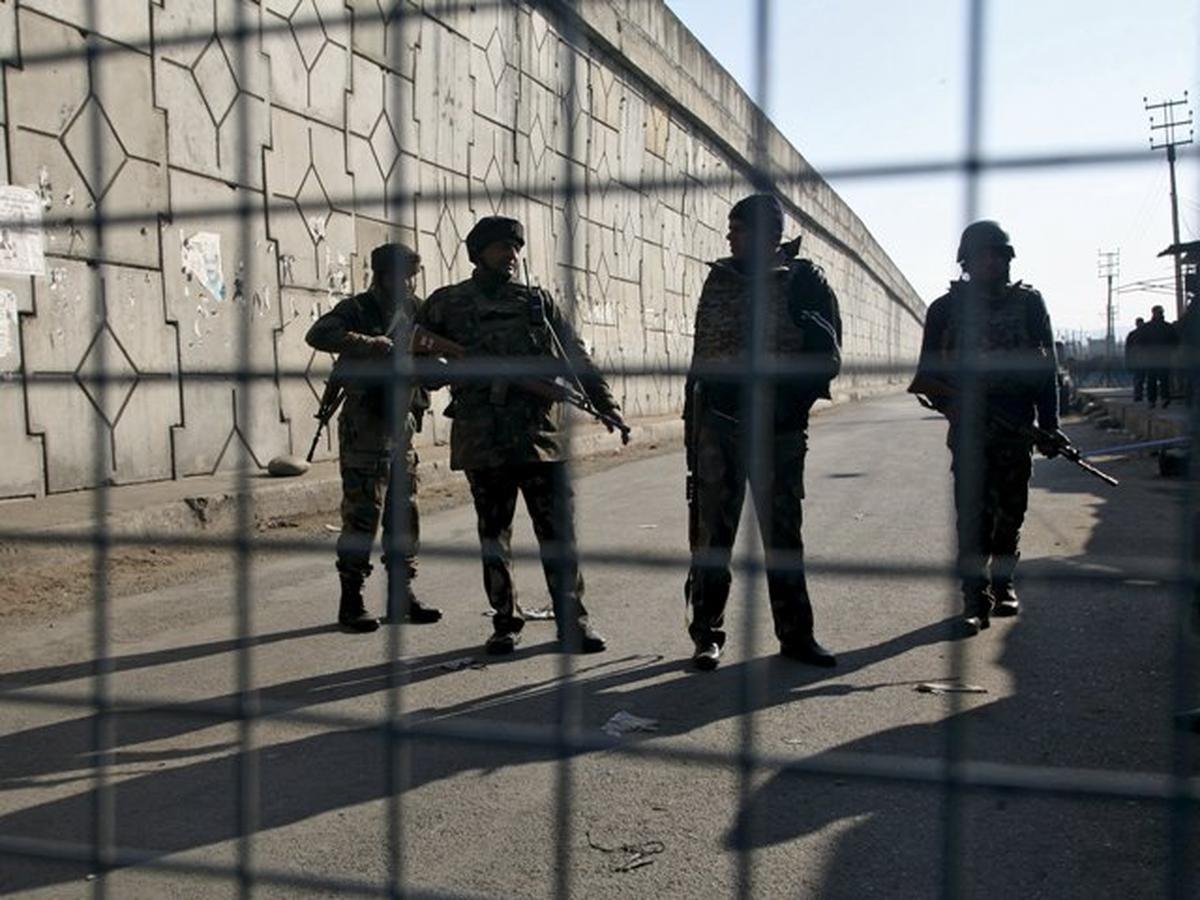
Pathankot, nestled strategically at the intersection of Punjab, Jammu & Kashmir, and Himachal Pradesh, has long been one of India’s most sensitive military zones. In a chilling reminder of the unconventional espionage threats facing the nation, security forces recently executed a flawless counter-intelligence operation on National Highway-44, arresting a local resident who had turned his commercial establishment into an active listening post for foreign intelligence agencies.
The Digital Spy Next Door: How the Breach Occurred
The arrest of Baljit Singh has sent shockwaves through the local community and put regional security setups on high alert. This wasn’t a case of classic military infiltration, but rather a digitized, low-cost espionage operation managed entirely through consumer technology.
Weaponizing Commercial CCTV Infrastructure
Baljit operated a small commercial shop situated along a crucial stretch of NH-44—the main logistical artery used by the Indian Armed Forces to move heavy equipment and personnel toward northern border sectors. Under the guise of personal security, Singh installed high-definition, internet-enabled CCTV cameras outside his shop. However, counter-intelligence agencies discovered that the cameras were deliberately angled away from his property, focused instead entirely on a strategic transit bridge used by military convoys.
Real-Time Data Streaming to Foreign Handlers
Investigations revealed that the camera’s live digital feed was routed through encrypted virtual private networks (VPNs) directly to intelligence handlers based across the border in Pakistan. This allowed hostile actors to monitor the exact composition, timing, and direction of Indian Army movements in real-time, completely bypassing traditional border surveillance.
The Counter-Intelligence Operation and Beyond
The loophole was closed thanks to consistent digital anomaly tracking by India’s cyber-intelligence wings.
Tracking the Data Footprint
Security agencies noticed unusual, high-volume data uploads emanating from a civilian IP address on the highway during specific hours of military transit. A coordinated raid by special forces led to the immediate seizure of digital storage devices, modified routers, and smartphones containing highly incriminating, end-to-end encrypted communication logs detailing financial payoffs for the espionage work.
Tightening Security Protocols on Military Corridors
This incident has forced an immediate review of civilian infrastructure permissions along strategic national highways. The local administration and military commands are formulating strict new guidelines regarding the placement of private surveillance equipment along key defense routes, ensuring that commercial convenience can no longer be exploited to compromise national security.