
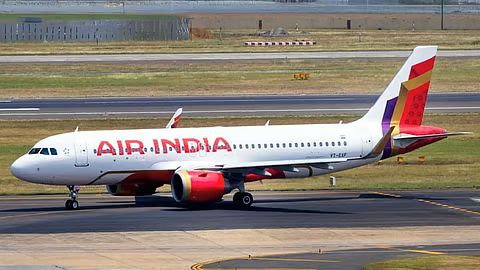
The aviation sector operates on razor-thin margins where technical perfection and open skies are absolute necessities for survival. For India’s national carrier, Air India, the year 2026 has presented a perfect storm of operational hurdles. The airline is currently navigating a complex maze of acute safety challenges on the ground while simultaneously battling severe geopolitical restrictions that are driving up international operating costs.
Anatomy of a Scare: The Bengaluru Tailstrike Incident
Aviation safety forums and regulatory bodies went into overdrive following a serious operational incident involving an Air India commercial flight at Kempegowda International Airport in Bengaluru.
What Happened During the Go-Around?
During an attempted landing under challenging weather conditions, the flight crew initiated a “go-around”—a standard safety procedure where a landing is aborted and the aircraft climbs back into the sky to try again. However, during the sudden pitch-up maneuver, the rear underbelly of the aircraft made physical contact with the tarmac, resulting in a severe “tailstrike.”
The Regulatory Crackdown
While the pilots successfully stabilized the aircraft and landed safely on their subsequent attempt without injuries to passengers, the structural damage to the airframe was significant. The Directorate General of Civil Aviation (DGCA) acted swiftly, grounding the aircraft and de-rostered the flight crew pending a comprehensive data-recorder investigation. This incident has renewed intense scrutiny over pilot fatigue and training standards during rapid fleet expansions.
The Geopolitical Choke: Airspace Bans and Rerouting
While engineers address physical safety on the tarmac, Air India’s corporate planners are dealing with an international logistics nightmare caused by the ongoing West Asia war.
The Heavy Cost of Avoiding Pakistan and Iran
Outgoing Air India CEO Campbell Wilson issued a stark warning regarding the financial sustainability of long-haul routes to Europe and North America. Due to escalating military risks and subsequent airspace restrictions over Iran, coupled with retaliatory transit bans by Pakistan, Air India flights must take massive geographic detours.
Fuel Burns and Crew Duty Limits
Avoiding these troubled airspaces means flights are forced to fly thousands of additional miles over safer corridors. This translates directly into:
-
Increased Fuel Consumption: Adding metric tons of extra fuel burn per flight, destroying green emission targets.
-
Extended Flight Times: Pushing flight durations up by two to three hours.
-
Crew Logistics: Causing airlines to hit strict Flight Duty Time Limitations (FDTL) much faster, requiring extra relief crews and driving up operational costs.