Mamata Banerjee Leads Protest Amid Political Turmoil
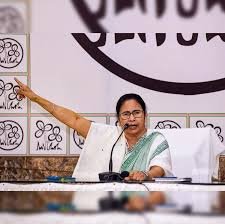
Former West Bengal Chief Minister and Trinamool Congress (TMC) chief Mamata Banerjee staged a major dharna in Kolkata, declaring that she would “fight or die” against what she described as attempts to weaken her party through intimidation and political pressure. The protest was organized in response to alleged attacks on TMC leaders and workers following the recent Assembly elections.
Addressing supporters, Banerjee alleged that there was an organized effort to dismantle the TMC and called for broader opposition unity against what she termed political persecution. The dharna was held at Rani Rashmoni Road in Kolkata and was positioned as a show of resistance by the party leadership.
Low Attendance Becomes Talking Point
Despite the strong rhetoric, the protest reportedly witnessed limited participation from elected representatives. According to reports, only a small number of TMC lawmakers attended the event, with just a handful of MLAs and MPs present alongside the party chief. The low turnout has sparked speculation about internal challenges within the party following its electoral defeat in West Bengal.
The issue comes shortly after a key TMC legislators’ meeting had to be postponed when a majority of the party’s MLAs failed to attend. Reports indicated that only around 20 of the party’s 80 MLAs turned up for the meeting, forcing the leadership to defer discussions.
TMC Blames Post-Poll Violence
TMC leaders have rejected suggestions of internal divisions and attributed the poor attendance to ongoing post-poll tensions. Party spokespersons stated that many legislators were occupied dealing with alleged attacks on party workers, arrests of supporters, and protest activities across different districts.
The party has claimed that several of its leaders, including Abhishek Banerjee and Kalyan Banerjee, were targeted in separate incidents, prompting widespread demonstrations by party workers.
Opposition Sees Signs of Weakness
Political opponents have interpreted the low attendance at both the legislators’ meeting and the protest as evidence of weakening support within the TMC. BJP leaders argued that the developments reflect growing dissatisfaction among party members after the party’s defeat in the 2026 Assembly elections.
The TMC, however, insists that its legislators remain united and committed to rebuilding the party’s organization in the aftermath of the election results.
Political Significance of the Protest
The dharna marked one of Banerjee’s first major street protests since the TMC lost power in West Bengal. Observers believe the demonstration was intended to energize party workers, reinforce her leadership position, and signal that the party will continue to play an active opposition role despite the electoral setback.
With West Bengal’s political landscape undergoing significant changes following the 2026 elections, the ability of the TMC leadership to maintain unity and mobilize supporters is likely to remain under close scrutiny.
Conclusion
Mamata Banerjee’s “fight or die” dharna was intended to project resilience and determination in the face of political challenges. However, the reportedly low attendance by party legislators and MPs has shifted attention toward questions about organizational cohesion within the TMC. While the party attributes the absences to post-poll unrest and ongoing protests, political observers are likely to continue monitoring signs of unity—or dissent—within the opposition party in the months ahead.