Alleged ‘Cut Money’ Refund Sparks Political Debate in West Bengal
A fresh political controversy has emerged in West Bengal after a local Trinamool Congress (TMC) leader was reportedly seen returning money to beneficiaries of the Pradhan Mantri Awas Yojana (PMAY). The development follows allegations that residents had earlier been asked to pay unofficial commissions, commonly referred to as “cut money,” to secure housing benefits under the central government’s welfare scheme.
The incident has intensified political tensions in the state, with opposition parties accusing local leaders of corruption, while TMC leaders face increasing pressure from villagers demanding accountability.
Cash Returned to PMAY Beneficiaries
According to recent reports, a local TMC functionary in the Namkhana area of South 24 Parganas allegedly returned ₹5,000 each to around 45 residents who had claimed they were forced to pay money for approval of their PMAY housing benefits. Videos of the alleged refund have circulated widely on social media and have become a major talking point in West Bengal politics.
Residents alleged that the payments were collected as commissions to expedite or secure housing approvals under the PMAY scheme. The refunds reportedly came after growing public protests and scrutiny over alleged irregularities.
Villagers Launch Accountability Campaign
In another related development, villagers in Cooch Behar launched an unusual public campaign to ensure that local leaders fulfilled promises to return alleged “cut money.” Residents used loudspeakers and public announcements to repeatedly remind a local TMC leader about a commitment to refund money by a specified deadline.
The protests began after beneficiaries claimed they had paid amounts ranging from ₹5,000 to ₹25,000 to obtain housing benefits or avoid delays in receiving installments under the scheme.
Villagers warned that they would resume demonstrations if the promised refunds were not completed on time.
PM Awas Yojana at the Centre of the Controversy
The Pradhan Mantri Awas Yojana (PMAY) is one of India’s flagship housing schemes designed to provide financial assistance to eligible beneficiaries for the construction of permanent homes. Under the rural component of the scheme, assistance is transferred directly to beneficiaries in installments through a digital monitoring system.
The allegations of intermediaries collecting unofficial payments have raised concerns about the implementation of welfare schemes at the grassroots level.
Opposition Targets TMC Leadership
The BJP has seized upon the controversy, alleging that the refunds are evidence that local leaders had collected illegal commissions from beneficiaries. Opposition leaders claim that growing public pressure and fears of legal action have forced some local functionaries to return money.
Several BJP leaders have shared videos and statements highlighting the issue and demanding a broader investigation into alleged irregularities involving welfare schemes.
Separate Criminal Complaints Surface
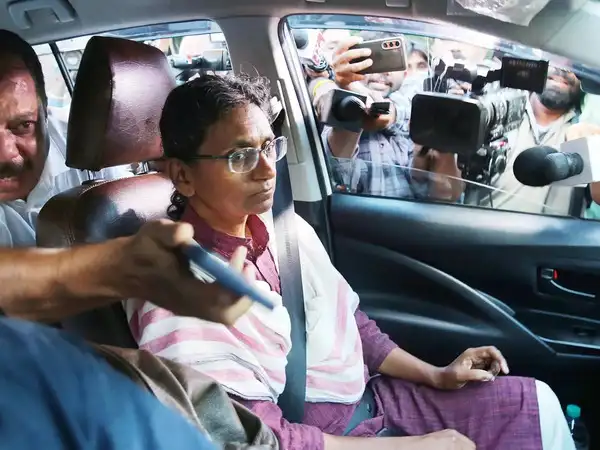
The controversy has expanded beyond refund allegations. In another case from Jalpaiguri district, a couple alleged that they paid money to secure a PMAY house and later faced threats and harassment when they demanded a refund. Police subsequently arrested several individuals, including a local councillor, in connection with the complaint.
Authorities are continuing investigations into the allegations and examining whether similar complaints exist in other areas.
Growing Pressure on Grassroots Leaders
Political observers note that grassroots leaders are facing increasing scrutiny as residents demand transparency in the implementation of welfare schemes. The recent developments have fueled broader discussions about accountability, corruption, and the delivery of government benefits at the local level.
As public attention remains focused on the issue, further investigations and political reactions are expected in the coming days.
Conclusion
The reported return of alleged “cut money” to PM Awas Yojana beneficiaries has become the latest flashpoint in West Bengal’s political landscape. While opposition parties view the refunds as evidence of wrongdoing, local leaders maintain that the allegations are politically motivated.
With villagers demanding accountability and authorities examining multiple complaints, the controversy is likely to remain a major issue in the state’s political discourse.