
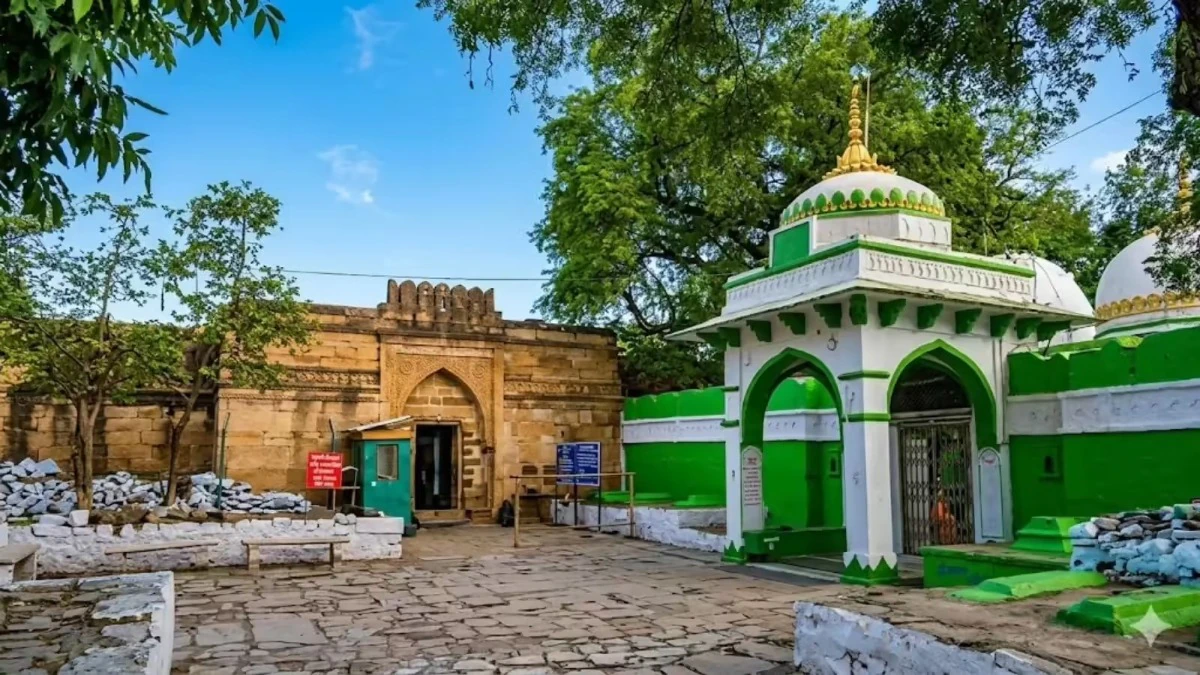
India’s legal history is deeply intertwined with complex disputes concerning centuries-old religious structures, where archaeology, faith, and constitutional law frequently intersect. The latest focal point of this delicate legal discourse is the historic Bhojshala-Kamal Maula Mosque complex located in Madhya Pradesh. The long-standing dispute has taken a significant leap forward as representatives of the Muslim community officially approached the Supreme Court of India to challenge a controversial high court ruling.
Understanding the Roots of the Contested Heritage
The Bhojshala complex is a protected monument under the Archaeological Survey of India (ASI), but its historical identity has been a source of deep community division for decades.
A Shared but Divided Space
Under an ASI arrangement established in 2003, the site operated under a strict time-sharing agreement: Hindu devotees were permitted to perform prayers inside the complex on Tuesdays, while Muslim worshippers were allowed to offer Friday Namaz. However, this fragile peace was disrupted when legal petitions sought a comprehensive scientific survey of the site to determine its original architectural origins.
The High Court Ruling That Sparked the Appeal
The current legal escalation stems from a Madhya Pradesh High Court judgment that leaned heavily on recent archaeological survey submissions. The High Court’s findings classified the structural remains primarily as a historic Saraswati temple, leading to new judicial restrictions that curtailed the traditional Friday Namaz prayers. It is this specific reclassification and restriction that has driven petitioners to seek urgent intervention from the highest court in the land.
The Constitutional Stakes Before the Supreme Court
As the apex court prepares to hear the appeal, the legal arguments are expected to touch upon foundational constitutional principles.
The Places of Worship Act Context
A central pillar of the challenge rests on the interpretation of the Places of Worship (Special Provisions) Act. Petitioners argue that altering the religious character or time-sharing nature of a monument as it existed in 1947 violates federal statutes designed to preserve religious peace. The Supreme Court’s handling of this case will be closely watched, as it will set an important precedent for how historical historical grievances are balanced against modern constitutional commitments to secular co-existence.