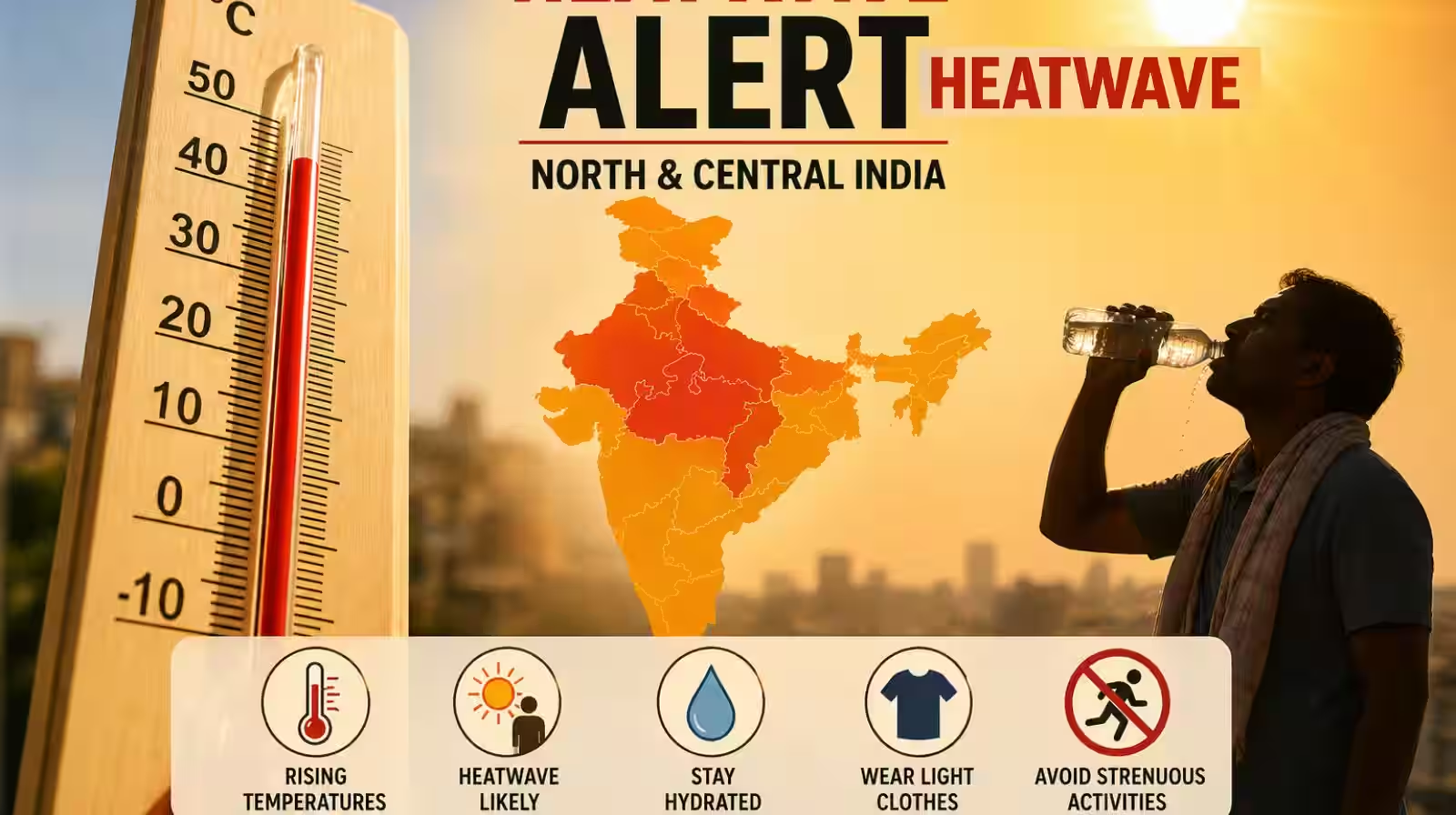
The summer of 2026 has brought an unforgiving climate reality to India’s doorstep. A massive, stubborn heatwave has gripped North and Central India, sending temperatures soaring past the 45°C mark and plunging millions of citizens into a daily battle for survival. This isn’t just standard summer discomfort; it is a full-blown public health emergency that has forced state governments to sound the highest level of alarms.
The Ground Reality Under a Blazing Sky
For weeks, a thick blanket of hot air has remained trapped over major plains, amplified by dry winds sweeping across the desert regions of Rajasthan. Cities across Uttar Pradesh, Haryana, Punjab, and the Delhi-NCR belt are experiencing prolonged daytime heat that turns concrete neighborhoods into urban heat islands.
Why the Red Alerts Matter
The India Meteorological Department (IMD) has issued persistent Red Alerts across multiple states. A Red Alert is not a mere advisory; it indicates a severe heatwave condition where exposure time must be minimized to avoid fatal consequences. The weather patterns indicate that night temperatures are also failing to cool down significantly, depriving the human body of vital recovery time after a punishing day in the sun.
Hospitals Face Heat-Related Influx
The strain on public infrastructure is becoming increasingly visible. Major government hospitals in New Delhi and Lucknow have reported a sharp spike in emergency admissions due to severe heat strokes, hyperthermia, and acute dehydration. Medical boards have set up dedicated “heat stroke units” equipped with ice baths and rapid cooling equipment to treat patients arriving with dangerously high body temperatures.
Vulnerable Populations and Economic Strain
While the affluent can retreat behind the comfort of air-conditioned walls, a vast majority of India’s workforce enjoys no such luxury. Construction workers, street vendors, delivery executives, and agricultural laborers are facing the direct brunt of this environmental crisis.
The Daily Wage Dilemma
For millions of outdoor laborers, staying indoors means losing a day’s wages. Despite local directives advising a complete halt to physical work between 12:00 PM and 4:00 PM, economic pressures force many to continue working under dangerous conditions. Labor unions are calling for mandatory paid heat-breaks and accessible hydration stations at all active work sites.
Agricultural Impact and Power Grids
The agrarian sector is watching the skies with deep anxiety. The extreme heat is drying up local water bodies and depleting groundwater reserves needed for early sowing. Simultaneously, the country’s electricity grids are stretched to their absolute limits as power demand peaks to record highs, causing localized blackouts that leave vulnerable households without fans or water pumps.
Practical Strategies for Heat Resilience
Surviving a severe climate event requires conscious, preventative lifestyle adjustments.
Essential Health Safeguards
-
Hyper-Hydration: Drink water continuously, even if you do not feel thirsty. Incorporate traditional cooling drinks like buttermilk, coconut water, and Aam Panna to replenish lost electrolytes.
-
Strategic Excursions: Limit outdoor activities strictly to early morning or late evening hours.
-
Recognize the Warning Signs: Keep a sharp lookout for early symptoms of heat exhaustion, including dizziness, excessive sweating, muscle cramps, headache, and nausea. If these progress to confusion or fainting, seek emergency medical care immediately.