
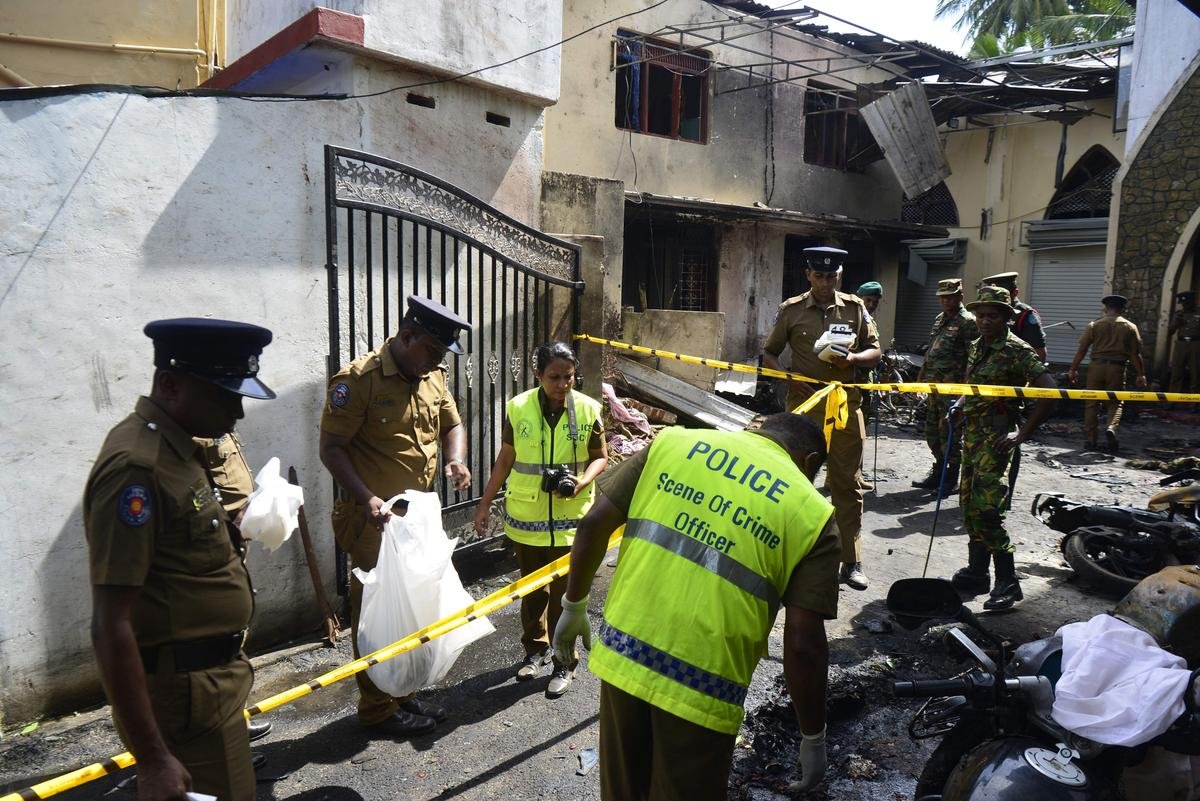
Explosive Allegation Emerges in Easter Bombings Investigation
Sri Lanka has witnessed a major development in the investigation into the devastating 2019 Easter Sunday bombings, with authorities alleging that a former intelligence chief played a role in directing the attacks that killed 279 people and injured hundreds more.
The allegation was revealed during proceedings linked to ongoing investigations into one of the deadliest terrorist attacks in Sri Lanka’s history. The Easter bombings targeted churches and luxury hotels on April 21, 2019, shocking the nation and drawing international condemnation.
Moreover, the latest claims have reignited debate over accountability, intelligence failures, and possible links between security officials and extremist elements.
Easter Sunday Attacks Shook Sri Lanka
The coordinated suicide bombings struck churches packed with worshippers celebrating Easter Sunday and several high-end hotels frequented by tourists.
Furthermore, the attacks claimed the lives of Sri Lankan citizens and foreign nationals, making the incident one of the country’s worst acts of terrorism since the end of its civil war.
As a result, the bombings exposed significant gaps in intelligence coordination and security preparedness.
Former Spy Chief Faces Serious Allegations
According to investigators, evidence presented during the inquiry suggests that the former intelligence official may have had a direct role in facilitating or influencing events linked to the attacks.
Additionally, authorities have indicated that the allegations emerged from witness testimonies and investigative findings gathered over several years.
Therefore, the development marks a significant escalation in efforts to uncover the full truth behind the attacks.
Quest for Accountability Continues
Since the bombings, victims’ families, religious leaders, and civil society groups have consistently demanded a transparent and comprehensive investigation.
Moreover, concerns have been raised regarding whether all individuals involved in planning, facilitating, or enabling the attacks have been identified and held accountable.
Consequently, the latest revelations have renewed calls for justice and institutional reforms.
Political and Security Implications
The allegations carry major political implications because they involve a senior figure associated with the country’s intelligence and security establishment.
Furthermore, the case may prompt fresh scrutiny of the functioning of intelligence agencies and their role in national security operations during the period leading up to the attacks.
As a result, the findings could have long-term consequences for Sri Lanka’s security governance framework.
Families of Victims Seek Closure
Families affected by the Easter bombings have repeatedly emphasized the need for accountability and transparency. Many have argued that identifying the masterminds behind the attacks is essential for delivering justice to the victims.
Additionally, religious organizations have continued to advocate for a full disclosure of facts surrounding the tragedy.
Therefore, developments in the investigation are being closely followed by survivors and families of those who lost their lives.
International Attention on Investigation
The Easter bombings attracted global attention because of the scale of the attacks and the number of foreign nationals among the victims.
Moreover, international human rights organizations and foreign governments have closely monitored Sri Lanka’s efforts to investigate the attacks and prosecute those responsible.
Consequently, the latest allegations are likely to generate renewed international interest in the case.
Impact on Public Trust
Experts note that allegations involving senior security officials can have significant implications for public trust in institutions.
Furthermore, transparent investigations and adherence to legal processes are considered essential for maintaining confidence in the rule of law.
As a result, authorities are expected to face increased pressure to ensure a thorough and impartial inquiry.
Conclusion
The allegation that a former Sri Lankan intelligence chief directed or facilitated aspects of the 2019 Easter Sunday bombings represents a dramatic development in a case that has continued to haunt the nation for years. With 279 people killed and hundreds injured, the attacks remain one of the darkest chapters in Sri Lanka’s recent history.
Moreover, as investigations proceed, the focus remains on uncovering the complete truth, ensuring accountability, and delivering justice to the victims and their families. The outcome of the case could have far-reaching implications for Sri Lanka’s political, security, and judicial institutions.