The escalating warfare in West Asia has ceased to be a distant geopolitical event. As the military conflict between Iran and Israel intensifies, the shockwaves are traveling rapidly across global trade routes, landing directly on India’s economic shores. Recognizing the severity of the situation, Prime Minister Narendra Modi recently chaired an intensive, four-and-a-half-hour Council of Ministers meeting to assess vulnerabilities and insulate the domestic economy from a prolonged global crisis.
The Energy Vulnerability and India’s Pivot
India imports over 80 percent of its crude oil requirements, making its economy highly sensitive to any volatility in the Persian Gulf and the crucial shipping lanes of the Strait of Hormuz.
Seeking Alternative Fuel Paradigms
With oil prices experiencing volatile spikes due to wartime premium risks, the Indian government is accelerating its diversification strategy. The Prime Minister has directed ministries to fast-track agreements with non-West Asian oil producers and aggressively scale up domestic biofuel blending. The crisis has underlined the absolute necessity of reducing dependence on traditional oil corridors by pushing for rapid green hydrogen adoption and expanding solar infrastructure across the country.
The Looming Bitumen and Infrastructure Crisis
An unexpected casualty of the West Asia war is India’s massive infrastructure push. The conflict has severely choked the supply of bitumen—a crucial petroleum byproduct used in road construction—much of which is sourced from regional refineries. Major highway projects across India are facing sudden delays and escalating raw material costs. Government bodies are now scrambling to find domestic alternatives and secure imports from Southeast Asian markets to prevent a complete standstill in national highway expansion.
Maritime Blockades and Supply Chain Disruption
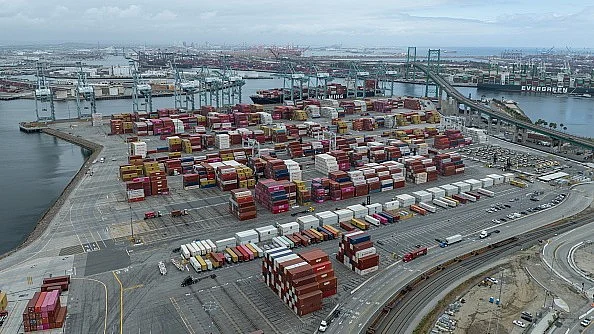
The physical dangers to commercial shipping in the Red Sea and surrounding waters have fundamentally altered international trade logistics.
Skyrocketing Freight Rates
Indian exporters are facing a double whammy of extended transit times and massive insurance premiums. Ships heading to European and African markets are being forced to bypass the Suez Canal entirely, taking the much longer route around the Cape of Good Hope. This detour adds roughly 10 to 14 days to journeys, driving up container freight rates and making Indian goods less competitive globally.
Protecting the Indian Diaspora
Beyond economics, the human cost remains a paramount concern for New Delhi. Millions of Indian expatriates live and work across the Gulf region. The Ministry of External Affairs has set up 24/7 emergency helplines and formulated comprehensive evacuation contingency plans, ensuring that if the theater of war expands further, the safety of Indian citizens remains uncompromised.