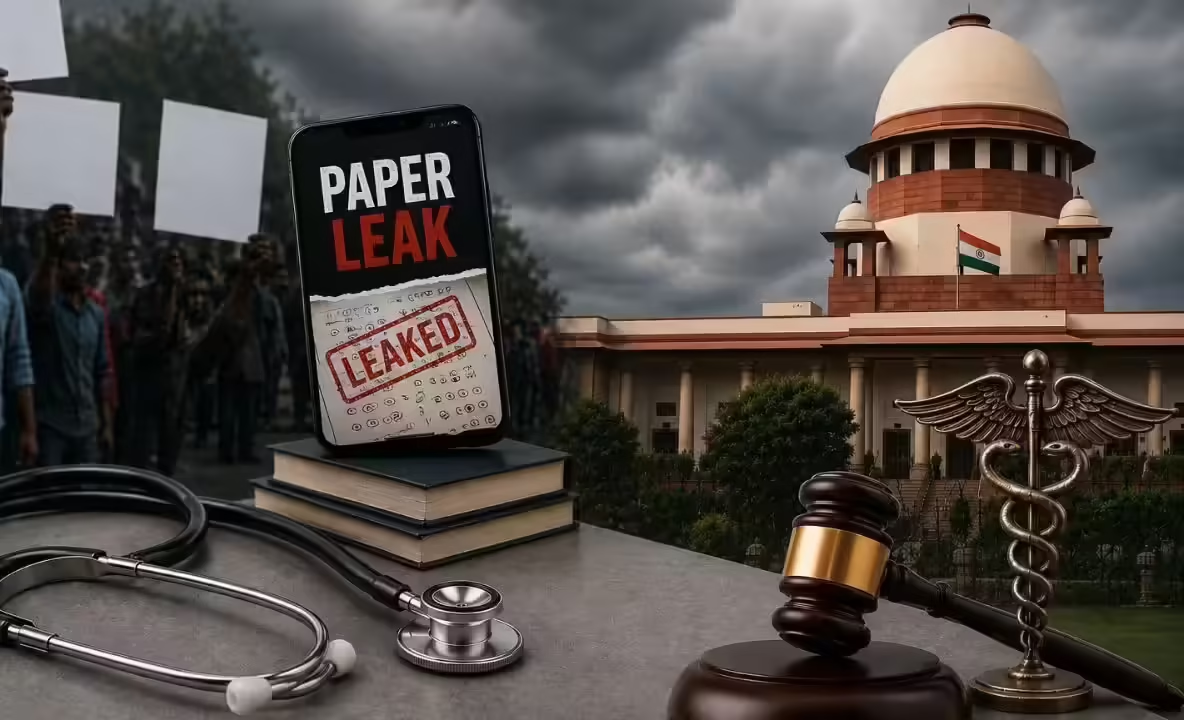
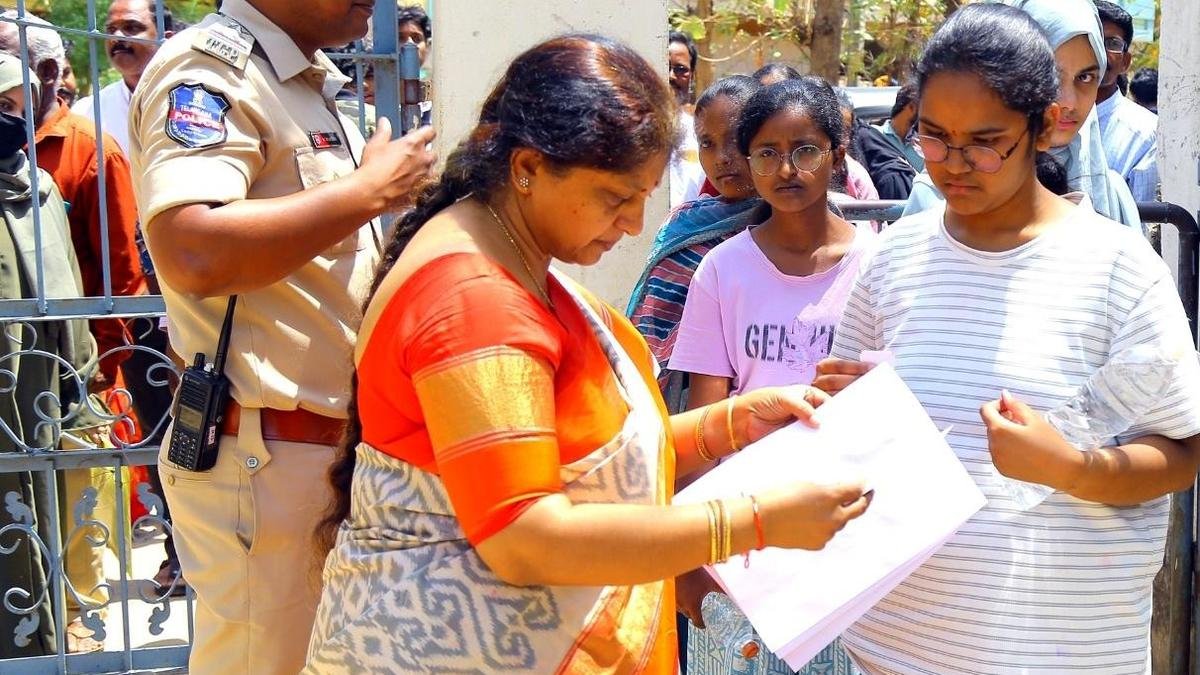
For millions of medical aspirants in India, the National Eligibility cum Entrance Test (NEET-UG) represents years of grueling sacrifice, late-night study sessions, and immense family hopes. However, the 2026 edition of the exam has been thoroughly marred by allegations of systematic corruption. As public anger boils over, the Central Bureau of Investigation (CBI) has launched a massive, multi-state crackdown to dismantle a sophisticated “paper leak syndicate” that has compromised the sanctity of India’s premier medical entrance test.
Unraveling the Anatomy of a High-Tech Leak
What initially began as localized complaints of irregularities has unraveled into a deeply entrenched criminal enterprise operating across several state borders.
The Latur Connection and High-Profile Arrests
The investigation achieved a major breakthrough with the arrest of a prominent doctor based in Latur, Maharashtra. This individual allegedly acted as a crucial middleman, linking wealthy parents directly with the operational heads of the cheating syndicate. The CBI’s digital forensics revealed encrypted chat groups where question paper sets were negotiated for astronomical sums of money, often running into tens of lakhs per student.
Compromised Centers and Safe Houses
The syndicate did not just leak papers online; they operated physical safe houses. Investigators discovered that select candidates were gathered at secluded locations a night before the examination. There, they were provided with leaked question papers and forced to memorize the answer keys under supervision, ensuring no digital footprints left the room before the exam commenced.
The Institutional Response and Public Outrage
As student unions take to the streets demanding justice, institutional heads are being forced to answer tough questions regarding their security protocols.
NTA Explains Before Parliamentary Panel
The Chief of the National Testing Agency (NTA) was recently summoned before a parliamentary panel to explain the systemic vulnerabilities. In his briefing, the chief maintained that a “system-wide, holistic leak” across the entire country had not occurred. Instead, the agency argued that the compromise was restricted to hyper-local centers where rogue staff colluded with criminals. However, this distinction has done little to calm the anxieties of students who feel the entire merit list has been artificially inflated.
The Long Road to Rebuilding Trust
The fallout of the NEET-UG 2026 crisis extends far beyond a single academic year. It strikes at the heart of public trust in India’s examination systems.
Demands for Systemic Digital Reforms
Education experts are unanimously calling for a complete overhaul of how high-stakes exams are conducted. Suggestions include moving entirely away from physical paper distribution toward encrypted, decentralized digital delivery systems where questions are unlocked via biometric verification only minutes before the exam starts. Until such structural changes are implemented, the shadow of suspicion will continue to hang over the achievements of honest, hardworking students.