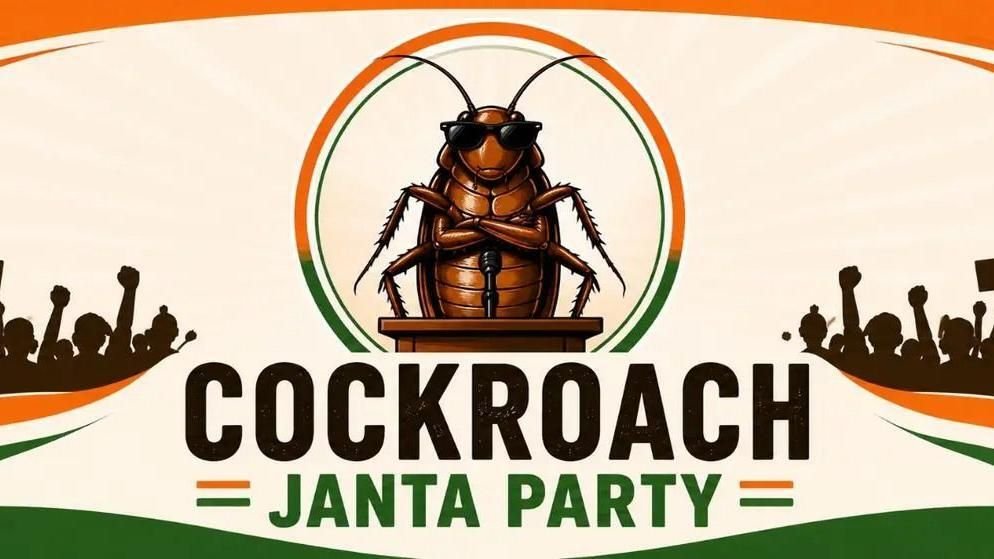
The phrase “Cockroach Janta Party” has recently gained attention online as part of a larger political and social commentary discussing modern digital discourse, elite influence, and algorithm-driven narratives. The expression is being viewed by many observers not merely as a political insult or viral slogan, but as a reflection of how social media ecosystems shape public opinion and amplify polarizing conversations.
Analysts argue that such phrases often become symbolic tools in online political culture, where outrage, mockery, and sensational narratives spread rapidly through digital platforms driven by algorithms and audience engagement.
The growing debate around the phrase has once again highlighted concerns regarding:
- Social media polarization
- Elite-driven narratives
- Digital propaganda ecosystems
- Algorithm-based amplification
- Online political performance culture
Politics as Digital Performance
Experts increasingly describe modern political communication as a form of digital performance where visibility, virality, and emotional reactions matter more than traditional ideological debates.
Social media platforms reward:
- Controversial statements
- Emotionally charged content
- Viral political attacks
- Identity-based narratives
- Performative outrage
In this environment, phrases like “Cockroach Janta Party” become attention-grabbing symbols designed to provoke reactions and maximize online engagement.
Political commentators note that such rhetoric often shifts public discussions away from policy issues toward spectacle-driven narratives.
Role of Algorithms in Political Narratives
One of the central concerns raised in the debate is the role played by algorithms in shaping political conversations online.
Algorithms on major digital platforms generally prioritize:
- High-engagement content
- Emotionally reactive posts
- Polarizing discussions
- Shareable controversy
- Content likely to increase user activity
As a result, divisive slogans and provocative political language frequently gain more visibility than balanced or nuanced discussions.
Experts believe this creates an ecosystem where outrage becomes profitable and political discourse increasingly turns performative.
Elite Influence and Narrative Building
The commentary surrounding the phrase also raises questions about the role of elite groups, influencers, media ecosystems, and digital strategists in shaping online political narratives.
Critics argue that:
- Public opinion can be manipulated through coordinated messaging
- Viral trends are sometimes amplified artificially
- Political branding often relies on emotional triggers
- Social media discussions may not reflect real public sentiment
The idea of “elite-driven performance politics” suggests that some viral narratives are less organic than they appear and are strategically designed to influence perception and engagement.
Rise of Meme-Based Political Culture
Political communication today increasingly operates through:
- Memes
- Hashtags
- Viral slogans
- Satirical content
- Short-form reactions
This shift has transformed politics into a fast-moving digital spectacle where humor, sarcasm, and mockery often dominate public engagement.
While supporters argue that memes democratize political participation, critics warn that excessive simplification and outrage-based politics can weaken meaningful democratic discussions.
Psychological Impact of Polarized Content
Researchers studying digital behavior have noted that highly polarized content often affects:
- Public trust in institutions
- Social cohesion
- Emotional well-being
- Perception of political opponents
Repeated exposure to hostile online narratives may deepen divisions and create echo chambers where people primarily engage with content reinforcing their existing beliefs.
Experts stress the need for healthier digital communication and more responsible public discourse.
Social Media and Manufactured Virality
The debate also reflects growing public awareness about manufactured virality and coordinated online campaigns.
Digital analysts point out that:
- Algorithms can artificially amplify narratives
- Bots and coordinated accounts influence visibility
- Viral trends may not always represent grassroots opinion
- Online outrage cycles are often commercially incentivized
This has raised broader concerns about transparency, platform accountability, and the future of democratic conversations in digital spaces.
Conclusion
The discussion surrounding the phrase “Cockroach Janta Party” goes beyond political insult or internet slang. It reflects deeper concerns about algorithm-driven narratives, elite influence, digital polarization, and the transformation of politics into online performance.
As political discourse increasingly shifts to social media platforms, questions about authenticity, manipulation, and responsible communication continue to grow more relevant in modern democratic societies.