US-Iran Draft Deal Aims to End Months of Conflict
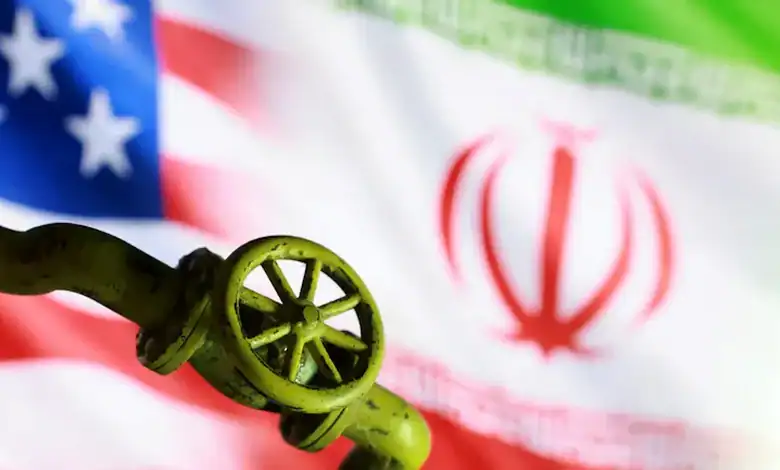
A draft 14-point memorandum between the United States and Iran has emerged as the foundation for a broader agreement aimed at ending months of military confrontation, reopening the Strait of Hormuz, and launching negotiations on Iran’s nuclear program. While the full official text has not been publicly released, multiple reports have outlined the major provisions under discussion.
Moreover, the memorandum is expected to serve as an interim framework while both sides negotiate a comprehensive agreement over the next 60 days.
Key Reported Points of the Draft Memorandum
According to reports from Iranian and international sources, the draft includes the following major provisions:
1. Immediate End to Hostilities
Both sides would declare an immediate and permanent cessation of military operations and commit not to initiate future attacks against one another.
2. Reopening of the Strait of Hormuz
Iran would reopen the Strait of Hormuz to international shipping, restoring one of the world’s most critical energy trade routes.
3. End of US Naval Blockade
The United States would lift restrictions and naval measures affecting Iranian ports and maritime trade.
4. No Nuclear Weapons Commitment
Iran would pledge not to develop, acquire, or possess nuclear weapons. This provision is considered a central pillar of the agreement.
5. Freeze on Nuclear Expansion
Iran would halt expansion of its nuclear activities while broader negotiations continue.
6. Negotiations on Enriched Uranium
The future of Iran’s enriched uranium stockpile would be addressed during technical negotiations scheduled over the next 60 days.
7. Sanctions Relief Mechanism
The United States would begin a phased process toward easing sanctions if Iran complies with the agreement’s obligations.
8. Release of Frozen Iranian Assets
Reports indicate that billions of dollars in frozen Iranian assets could be released as part of compliance measures. Figures mentioned range up to $25 billion.
9. Resumption of Iranian Oil Exports
Iran would be allowed to resume oil sales under sanctions waivers and related financial arrangements.
10. Maritime Security Guarantees
Iran would help ensure safe navigation through the Strait of Hormuz for international vessels.
11. Future Comprehensive Agreement
The memorandum establishes a 60-day negotiating period aimed at producing a permanent agreement covering nuclear, economic, and security issues.
12. Economic Development Framework
Some reported versions of the draft discuss a large-scale economic development and reconstruction program involving regional partners.
13. Regional De-escalation Measures
The framework reportedly includes provisions related to reducing tensions in Lebanon and other regional theaters.
14. Verification and Compliance Process
A future inspection and verification mechanism would be negotiated to ensure compliance with nuclear and security commitments.
Major Issues Still Unresolved
Despite progress, several contentious issues remain unresolved. These include the final status of Iran’s uranium stockpile, the scope of sanctions relief, regional security concerns, and long-term monitoring arrangements. Both sides have presented differing interpretations of some provisions.
Furthermore, analysts caution that the memorandum is only a preliminary framework and that difficult technical negotiations still lie ahead.
Conclusion
The reported 14-point US-Iran draft memorandum represents the most significant diplomatic breakthrough between the two countries in years. If successfully implemented, it could reopen global energy routes, reduce regional tensions, and establish a pathway toward resolving long-standing disputes over Iran’s nuclear program. However, the final outcome will depend on whether both sides can convert the framework into a binding and enforceable agreement during the upcoming negotiation period.