Death of Indian Sailors Brings Maritime Security Into Focus
Tensions in the Strait of Hormuz have intensified after the deaths of three Indian sailors in attacks linked to the ongoing conflict in the region. The incident has triggered strong reactions from several countries and international bodies, raising concerns about the safety of commercial shipping routes and civilian crews operating in one of the world’s most critical maritime corridors.
The tragedy has also renewed debate over compliance with international maritime laws. Global stakeholders have emphasized that commercial vessels and civilian personnel must remain protected during military operations.
International Law Takes Center Stage
The controversy has drawn attention to international legal frameworks governing freedom of navigation and the protection of civilian shipping. Several diplomatic voices have stressed that military actions affecting commercial vessels must adhere to established international norms and legal obligations.
Furthermore, concerns have been raised about the growing risks faced by merchant ships operating in conflict zones. Experts warn that attacks on civilian vessels could disrupt global trade and create broader economic consequences.
India Registers Strong Concern
India has expressed serious concern over the attacks and the loss of Indian lives. The government has formally conveyed its objections through diplomatic channels and called for an immediate halt to actions that endanger civilian shipping.
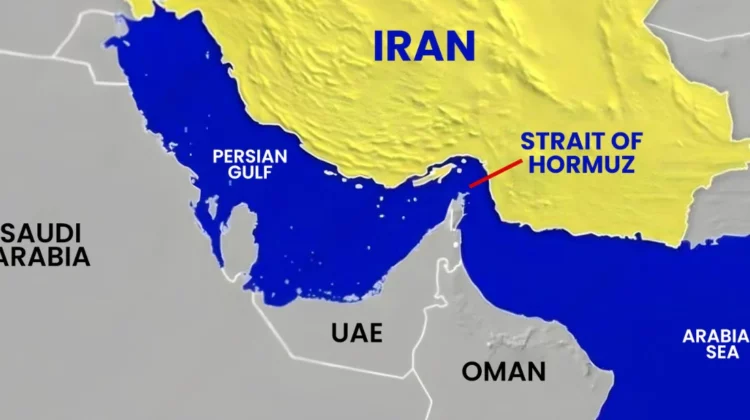
Moreover, Indian authorities have reiterated the importance of protecting maritime routes that are vital for international commerce and energy security. The Strait of Hormuz remains a crucial passage for global oil supplies and commercial trade.
Rising Diplomatic Pressure
The incident has increased diplomatic pressure on all parties involved in the regional conflict. Several countries have urged restraint and called for renewed efforts to reduce tensions through dialogue and negotiation.
Meanwhile, geopolitical analysts argue that the deaths of civilian sailors highlight the urgent need for stronger safeguards in conflict-prone maritime zones. They believe that preventing further escalation should remain a top international priority.
What Happens Next?
As investigations and diplomatic discussions continue, attention remains focused on ensuring accountability and preventing similar incidents in the future. Governments and international organizations are expected to closely monitor developments in the Strait of Hormuz.
The latest crisis serves as a reminder of how regional conflicts can have global consequences. Consequently, maritime security, freedom of navigation, and respect for international law are likely to remain central issues in international discussions in the coming weeks.