
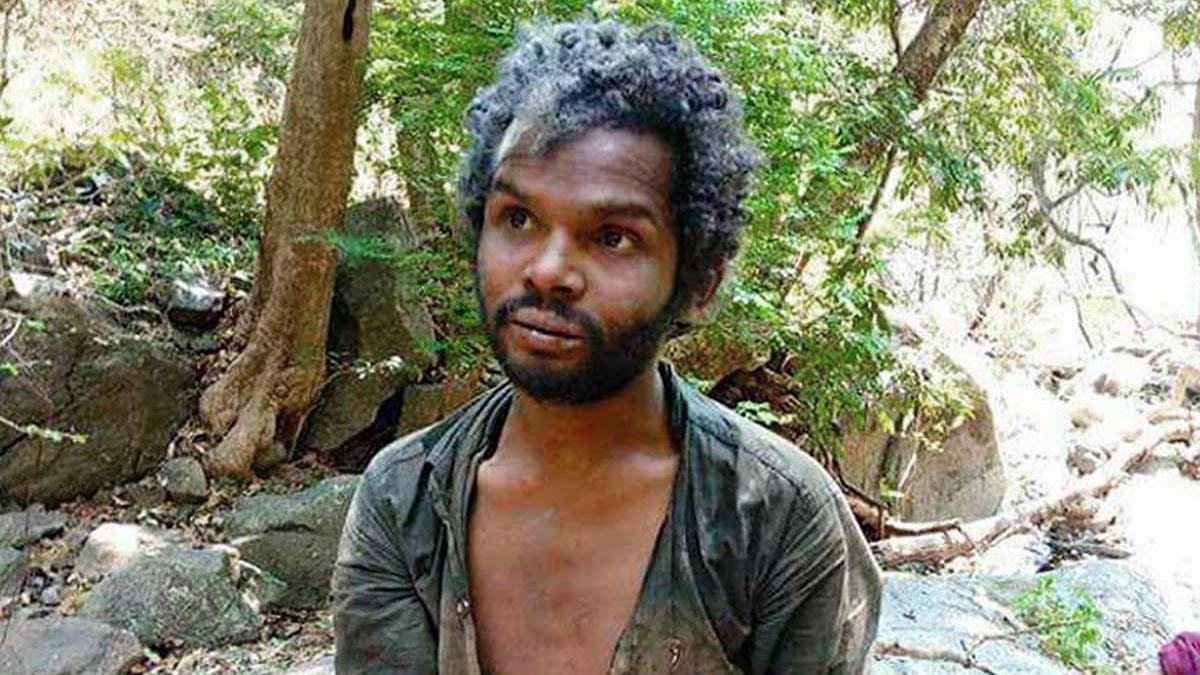
In a major development in the widely discussed Attappadi Madhu lynching case, the Kerala High Court has acquitted the first accused while upholding the convictions of several other accused involved in the brutal mob violence case that shocked the nation in 2018. The verdict has once again brought national attention to one of Kerala’s most disturbing incidents involving mob lynching and tribal rights.
The case relates to the death of Madhu, a tribal youth from Attappadi in Kerala’s Palakkad district, who was lynched by a mob after being accused of theft. Images and videos of the assault had gone viral across the country at the time, triggering widespread outrage and debates about mob justice, caste discrimination, and the treatment of tribal communities.
Kerala High Court Verdict
The Kerala High Court acquitted Hussain, the first accused in the case, while dismissing the appeals filed by the remaining convicted accused. The court upheld the trial court’s decision against the other convicts involved in the lynching case.
The judgment was delivered while hearing:
- Appeals filed by the convicted accused challenging their punishment
- Appeals by the Kerala government seeking stronger punishment
- Petitions from Madhu’s family demanding stricter action and enhanced sentencing
The High Court bench also reviewed earlier acquittals and sentencing decisions delivered by the Mannarkkad Special SC/ST Court.
Background of the Attappadi Madhu Lynching Case
The incident took place on February 22, 2018, in the tribal region of Attappadi. Madhu, a tribal youth reportedly suffering from mental health issues, was accused of stealing food items from nearby shops.
According to prosecution records:
- A group of men allegedly dragged him out of a forest area
- He was beaten publicly by a mob
- Images of the assault were circulated online
- He later died while being taken to the police station and hospital
The post-mortem report later confirmed multiple injuries caused by assault.
The case became a national symbol of concerns regarding:
- Mob lynching
- Violence against tribal communities
- Social discrimination
- Vigilante justice
Trial Court Convictions
In 2023, the Mannarkkad Special Court convicted 14 out of the 16 accused in the case. Thirteen accused were sentenced to seven years of rigorous imprisonment, while another accused received a shorter sentence under separate charges. Two accused had been acquitted earlier.
The Kerala government and Madhu’s family later approached the High Court seeking:
- Harsher punishment
- Conviction under more serious charges
- Review of acquittals
Meanwhile, convicted individuals challenged the verdict and sought relief from the High Court.
National Outrage and Public Reaction
The Madhu lynching case had sparked massive outrage across India because of the disturbing visuals and the circumstances surrounding the assault.
Activists and human rights groups had raised concerns about:
- Violence against marginalized communities
- Mob mentality and vigilantism
- Delays in justice delivery
- Witness intimidation during the trial
The case also drew attention because several prosecution witnesses reportedly turned hostile during court proceedings.
Following the latest High Court verdict, reactions emerged from political leaders, tribal rights activists, and legal experts.
While some welcomed the continuation of convictions against most accused, others expressed concern over the acquittal of the first accused.
Debate Over Mob Lynching and Tribal Rights
The Attappadi case continues to remain an important example in discussions surrounding:
- Tribal rights in India
- Social justice
- Criminal accountability
- Mob violence prevention
Experts believe the incident exposed deep social prejudices and highlighted the vulnerability of tribal communities living in remote regions.
Human rights groups have repeatedly called for:
- Faster judicial processes
- Better protection for vulnerable communities
- Stronger anti-lynching laws
- Awareness against vigilante violence
Importance of the Case
The Madhu lynching case remains one of Kerala’s most significant criminal and social justice cases in recent years. It not only exposed issues related to mob violence but also sparked wider discussions regarding societal attitudes toward marginalized groups.
The High Court verdict is likely to remain under public and legal scrutiny as further legal options, including appeals before the Supreme Court, may still emerge.
Conclusion
The Kerala High Court’s decision to acquit the first accused while upholding the convictions of other accused in the Attappadi Madhu lynching case marks another important chapter in a case that deeply impacted public conscience across India.
The verdict has revived conversations about mob justice, tribal rights, and the need for stronger protection of marginalized communities against violence and discrimination.