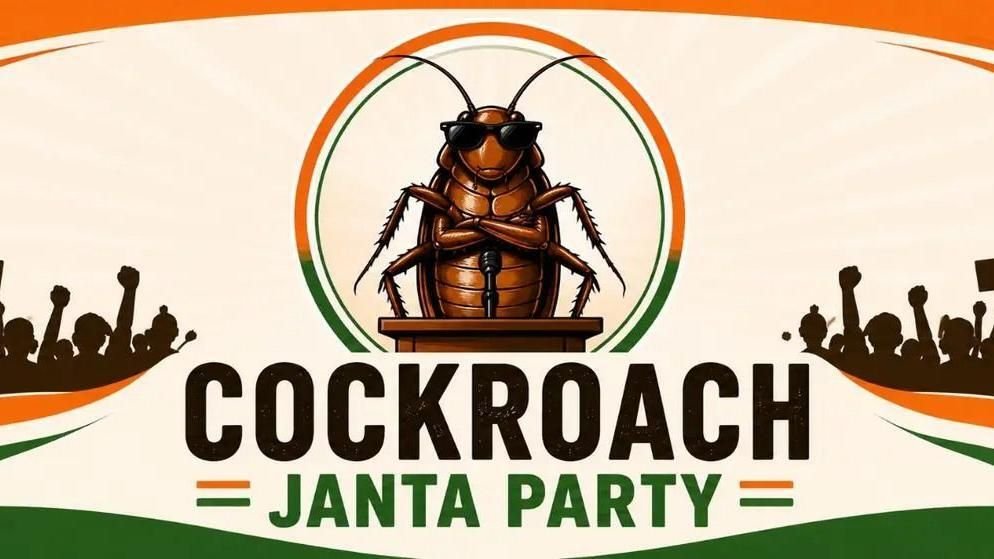
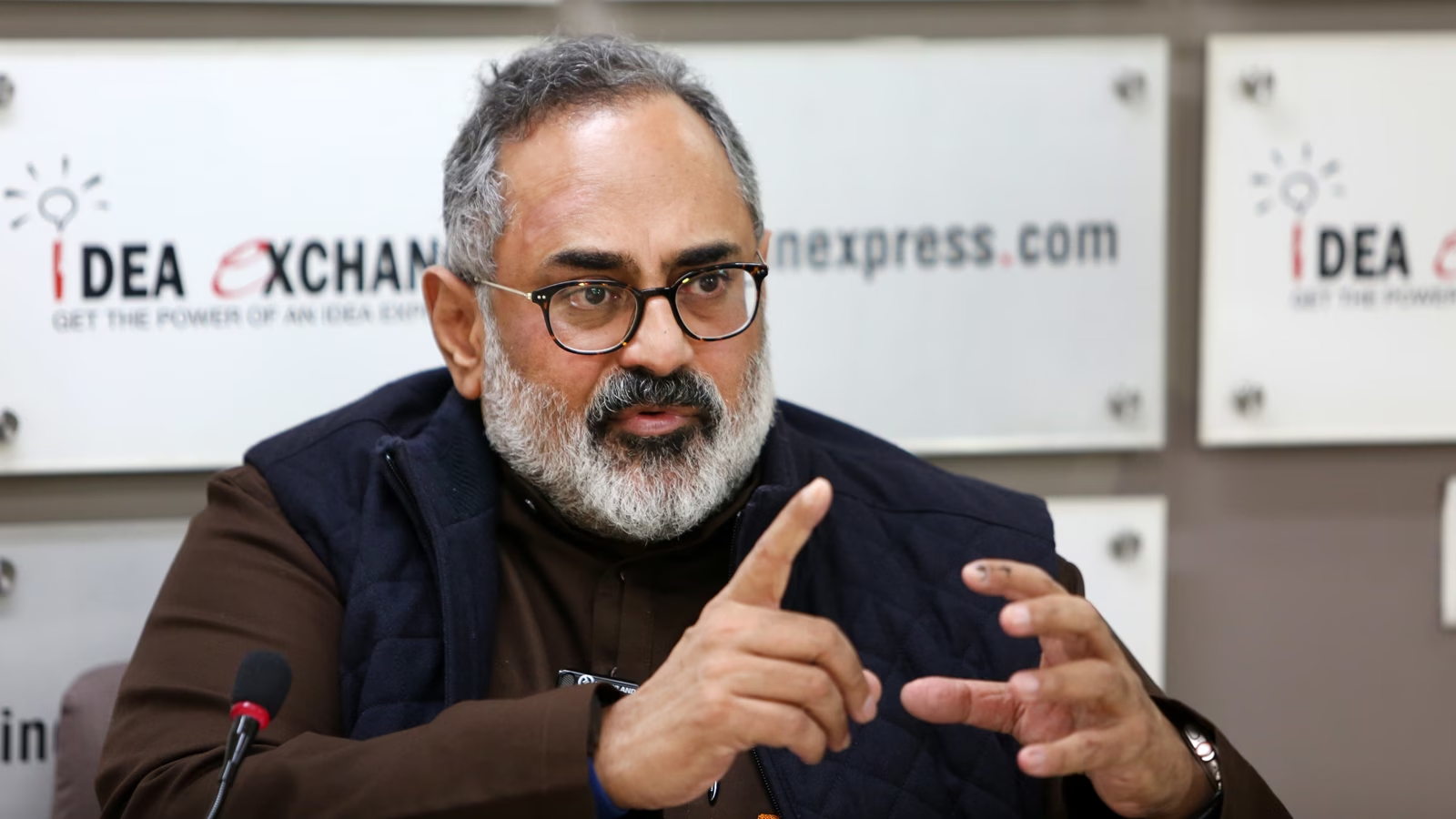
BJP leader and former Union Minister Rajeev Chandrasekhar has sparked major political debate after describing the so-called “Cockroach Janta Party” narrative as a possible cross-border influence operation. Commenting on the growing online trend, Chandrasekhar claimed that such campaigns are often amplified digitally to manipulate public opinion and create political polarization, especially among dissatisfied youth.
His remarks have triggered intense reactions across political and social media circles, with supporters viewing the statement as a warning against coordinated digital influence campaigns, while critics questioned the interpretation of online dissent.
The controversy once again highlights the growing intersection of:
- Social media politics
- Algorithm-driven narratives
- Youth dissatisfaction
- Information warfare
- Digital propaganda ecosystems
Rajeev Chandrasekhar Raises Concerns Over Digital Influence
Speaking on the viral “Cockroach Janta Party” narrative, Rajeev Chandrasekhar suggested that such online trends may not always emerge organically and could involve coordinated influence operations originating beyond India’s borders.
According to his remarks, digital ecosystems today can rapidly amplify:
- Political dissatisfaction
- Polarizing narratives
- Viral slogans and memes
- Anti-establishment sentiments
- Emotion-driven online campaigns
He also acknowledged that many young people remain frustrated over issues such as unemployment, economic pressure, and political dissatisfaction, making them more vulnerable to emotionally charged online narratives.
Debate Over Youth Frustration and Political Narratives
The statement has reignited broader conversations about the growing political frustration among sections of Indian youth.
Analysts say concerns frequently raised by young citizens include:
- Employment opportunities
- Rising competition and exam pressure
- Economic uncertainty
- Social inequality
- Political representation
Experts believe digital platforms often become spaces where these frustrations are expressed, amplified, and sometimes manipulated through viral political content.
Social Media and Algorithm-Driven Amplification
The “Cockroach Janta Party” trend has also renewed discussions about how algorithms influence political discourse online.
Digital experts note that social media platforms tend to reward:
- Highly emotional content
- Polarizing opinions
- Viral outrage
- Memes and sarcasm
- Controversial narratives
As a result, political discussions increasingly become performance-oriented rather than policy-focused.
Critics argue that algorithmic amplification can deepen divisions and spread misinformation rapidly.
Concerns Over Cross-Border Information Warfare
Governments and cybersecurity experts worldwide have repeatedly warned about:
- Foreign digital influence campaigns
- Coordinated misinformation networks
- Bot-driven political narratives
- Cyber propaganda operations
Such operations are often designed to:
- Increase political instability
- Deepen social polarization
- Manipulate public perception
- Influence democratic conversations
Rajeev Chandrasekhar’s remarks reflect growing concerns about how digital ecosystems can be exploited during politically sensitive periods.
Political Reactions and Online Debate
The statement quickly triggered reactions from political leaders, analysts, and social media users.
Supporters argued that:
- India must remain alert against digital manipulation
- Social media influence operations are a real threat
- National security includes information security
Meanwhile, critics stated that:
- Genuine public dissatisfaction should not be dismissed entirely as foreign influence
- Youth concerns regarding jobs and governance are real issues
- Democratic criticism must remain protected
The debate reflects increasing tensions between concerns about misinformation and the legitimacy of political dissent.
Youth, Politics, and the Internet
India’s large youth population plays a major role in shaping online political conversations. Social media platforms have become central spaces for:
- Political engagement
- Public criticism
- Activism and awareness campaigns
- Meme-based communication
- Opinion formation
Experts say younger audiences are especially influenced by fast-moving digital narratives due to high social media consumption.
At the same time, they stress the importance of media literacy and critical thinking to prevent manipulation.
Conclusion
Rajeev Chandrasekhar’s remarks linking the “Cockroach Janta Party” narrative to a possible cross-border influence operation have intensified debates about digital propaganda, online political culture, and youth dissatisfaction in India.
The controversy reflects larger concerns surrounding algorithm-driven politics, information warfare, and the growing power of social media in shaping public discourse and political perception.