
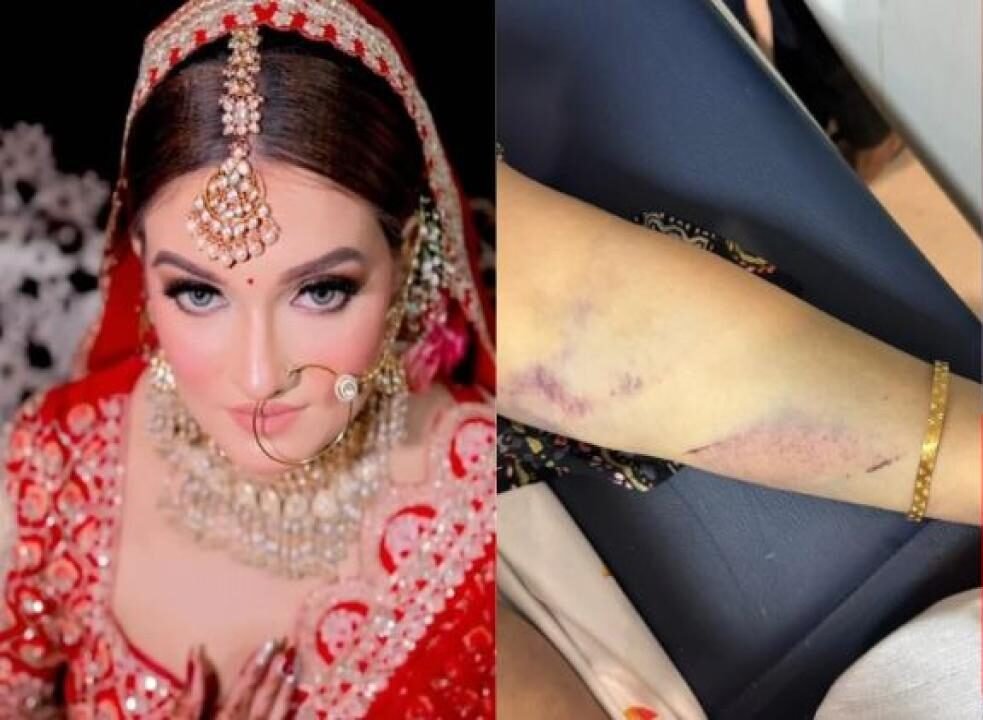
A shocking case of alleged dowry harassment and domestic abuse has emerged from Greater Noida, where a young married woman reportedly ended her life after facing continuous harassment from her husband and in-laws. The incident has sparked outrage and renewed discussions about the growing number of dowry-related crimes in India.
According to police officials, the victim, identified as Deepika Nagar, allegedly died after falling from the terrace of her in-laws’ residence in the Ecotech-III area of Greater Noida. Following complaints filed by her family, police arrested her husband and father-in-law, while investigations into the case continue.
The case has drawn widespread public attention due to allegations of prolonged mental and physical harassment related to dowry demands.
Family Alleges Continuous Dowry Harassment
The victim’s family alleged that Deepika was subjected to repeated harassment soon after her marriage. According to reports, her in-laws allegedly demanded large amounts of cash, jewellery, and even a luxury vehicle as dowry.
Family members claimed that despite fulfilling several demands during the wedding, the harassment allegedly continued after marriage. Reports suggest the family had spent a huge amount during the marriage ceremony, including gifts, jewellery, and a vehicle, yet additional demands were allegedly made later.
The victim’s relatives further alleged that Deepika had informed them about physical abuse and emotional torture shortly before her death.
Husband and Father-in-Law Arrested
Police officials confirmed that based on the complaint filed by the victim’s family, the woman’s husband and father-in-law were arrested under sections related to dowry death, cruelty by husband or relatives, and provisions of the Dowry Prohibition Act.
Later developments in the investigation also led to additional arrests, including the victim’s mother-in-law, as police intensified their probe into the allegations.
Authorities stated that the investigation is ongoing and further legal action will depend on evidence, witness statements, and forensic findings.
Autopsy Findings Raise Serious Questions
The case took a major turn after post-mortem reports reportedly revealed severe internal and external injuries on the victim’s body. Medical findings included:
- Brain clot and head injuries
- Internal bleeding
- Ruptured spleen
- Multiple injury marks on different parts of the body
These findings strengthened suspicions raised by the victim’s family that the incident may involve more than suicide allegations.
The family has demanded a fair investigation and strict punishment for those responsible.
Growing Concern Over Dowry-Related Violence
The Greater Noida case has once again highlighted the continuing issue of dowry-related harassment and violence against women in India. Social activists and legal experts say such incidents reveal the urgent need for stronger enforcement of laws and greater societal awareness.
Dowry harassment cases often involve:
- Mental and emotional abuse
- Financial pressure on families
- Domestic violence
- Social stigma preventing women from speaking out
Experts believe many victims continue to suffer silently due to family pressure, fear, and social expectations.
Public Outrage and Demand for Justice
The incident triggered strong reactions on social media, where many users demanded speedy justice and stricter action against dowry-related crimes.
Women’s rights activists have called for:
- Fast-track trials in dowry death cases
- Stronger protection mechanisms for married women
- Better mental health and support systems
- Greater awareness against dowry practices
Several observers also connected the case with other recent incidents involving alleged dowry harassment and suspicious deaths of women across the country.
Need for Social Change
Despite strict laws against dowry, the practice continues to affect thousands of families across India. Experts stress that legal action alone is not enough and that society must work collectively to eliminate dowry culture and normalize gender equality and respect within marriages.
Awareness, education, and support systems are considered essential in preventing such tragedies.
Conclusion
The tragic death of a young woman in Greater Noida has once again exposed the harsh reality of dowry-related harassment and domestic abuse in India.
With arrests already made and investigations continuing, the case remains under close public scrutiny. The incident serves as a painful reminder of the urgent need for stronger action against dowry practices and greater protection for women facing abuse within marital homes.